Cover Slide - Item Management
Enterprise B2B Platform • 2024-2025

Item Management

Empowering 600+ vendors to seamlessly onboard products into Albertsons Partner Portal—reducing setup time from 6 days to 4 while mitigating $2.5B in legal risk through streamlined compliance and data validation.

Timeline
July 2024 - April 2025
Role
Senior Product Designer
Impact
250M+ SKUs • 21 hrs/week saved
Challenge Slide - Item Management

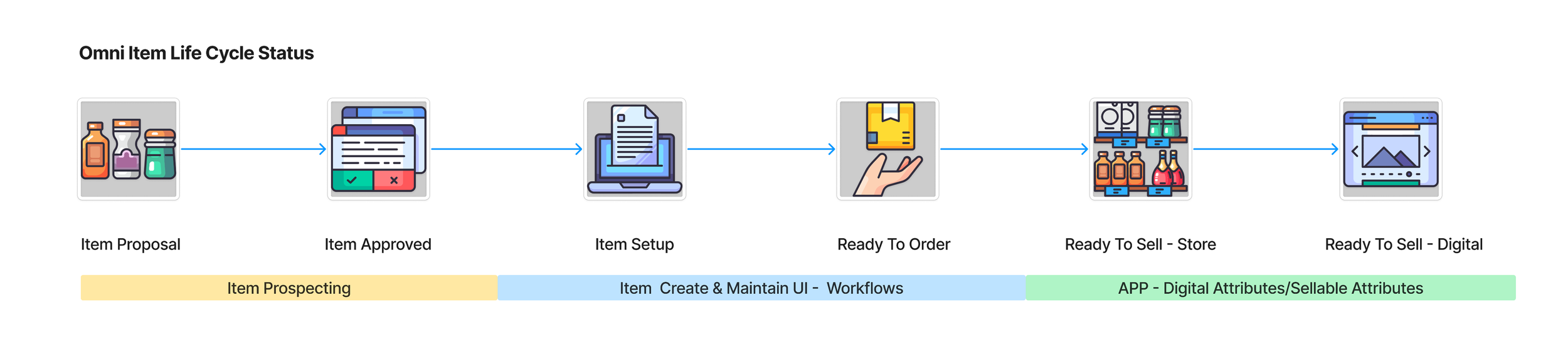
Legacy tools creating operational bottlenecks

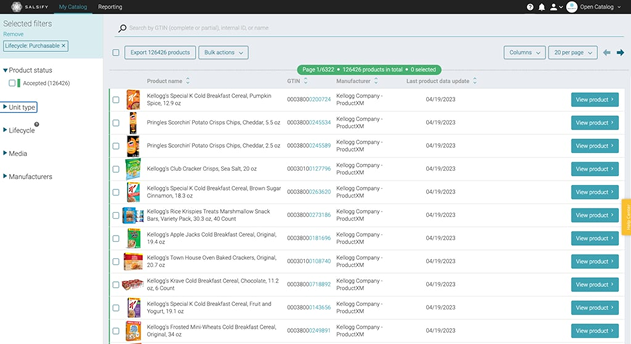
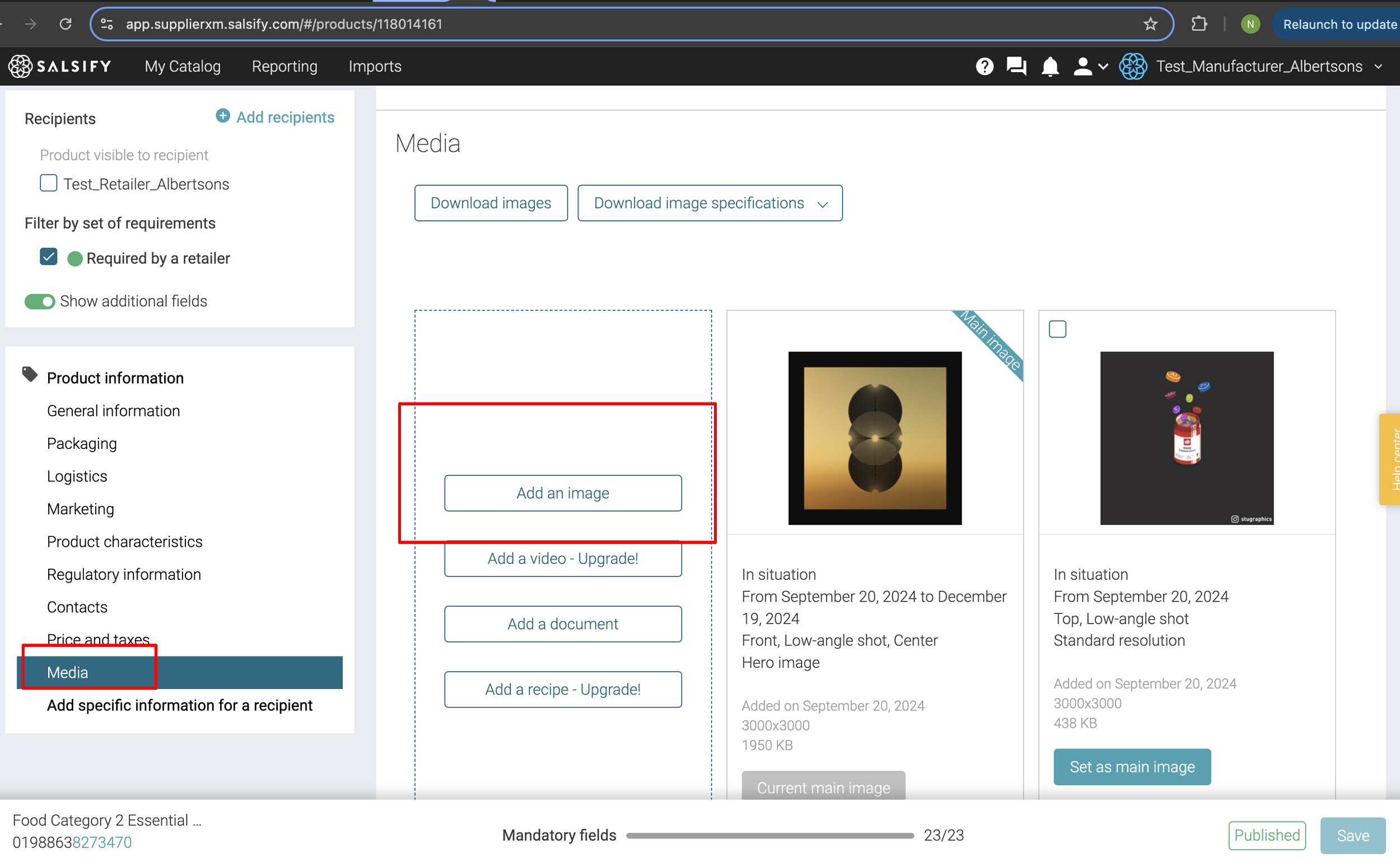
Salsify and Syndigo tools became cumbersome, causing 46.5% drop in user engagement and 62.8% increase in vendor disputes with potential legal implications. The fragmented system forced vendors and merchants into inefficient workflows.

6 days
Item setup time vs. 4 for competitors
8
Approvals causing communication bottlenecks
4.5 hrs
Daily merchant review time
28%
Asset data requiring workarounds

Core Pain Points

1

Fragmented legacy systems prevented scalability for growing business needs

2

Inaccurate item attributes and asset collection led to legal risk exposure

3

Operational inefficiency from manual workarounds disrupted workflows

LEGACY TOOL - SALSIFY
Understanding the complex approval ecosystem

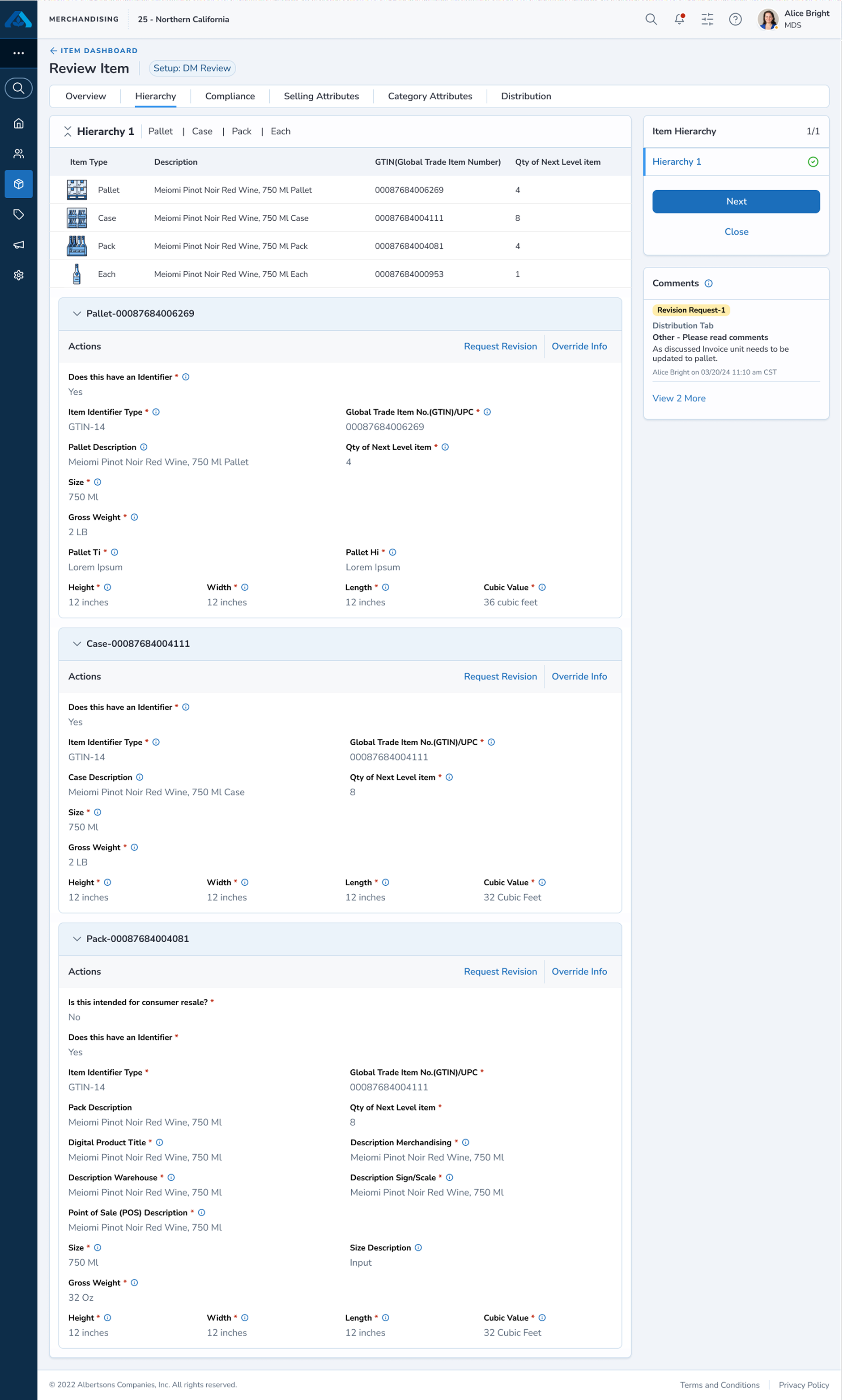
Mapped the intricate workflow between vendors and internal merchants to identify friction points and design opportunities across multiple approval layers.

1

Vendor Draft

Vendors create item proposals with product attributes for business approval

2

DM/NM Review

Divisional/National Merchants approve, deny, or request revisions based on requirements

3

Final Validation

MDS/RA/SC performs final approval for supply chain distribution

Key Insight

MDS teams possess override authority to bypass DM/NM approval, creating multiple approval paths that required flexible, intelligent design solutions

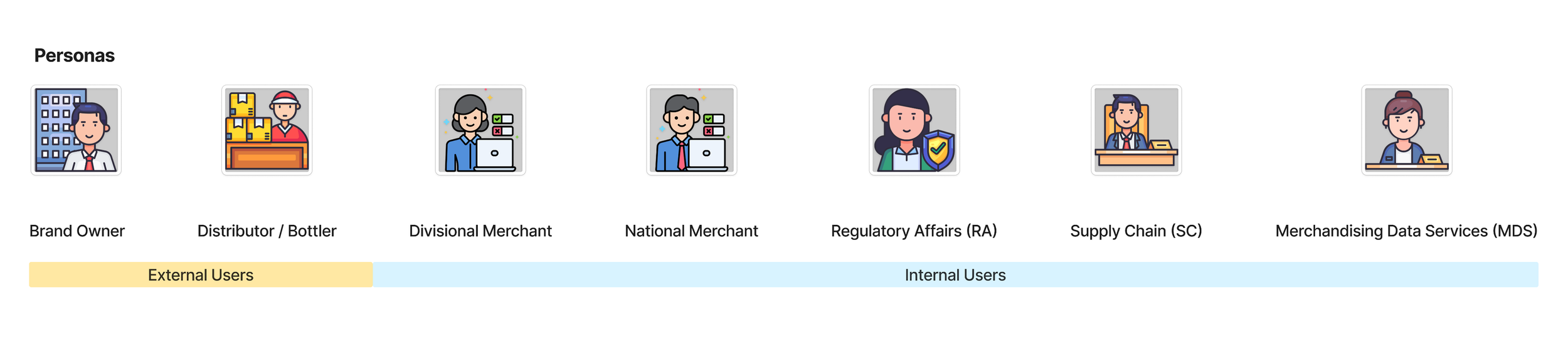
User Groups

Vendors, Divisional Merchants, National Merchants, and Merchandising Decision Support teams—each with distinct workflows and decision-making powers

Research Slide - Item Management
Strategy Slide - Item Management

Core principles guiding the solution

Established strategic principles to address complexity while maintaining clarity and accountability throughout the 250+ million SKU management system.

Evaluation

Validation through forms enables successful item setup with merchant oversight

Organization

Frictionless data management between vendors-merchants for optimal item health

Accountability

Data segmented by supply chain, compliance, and digital attributes for clarity

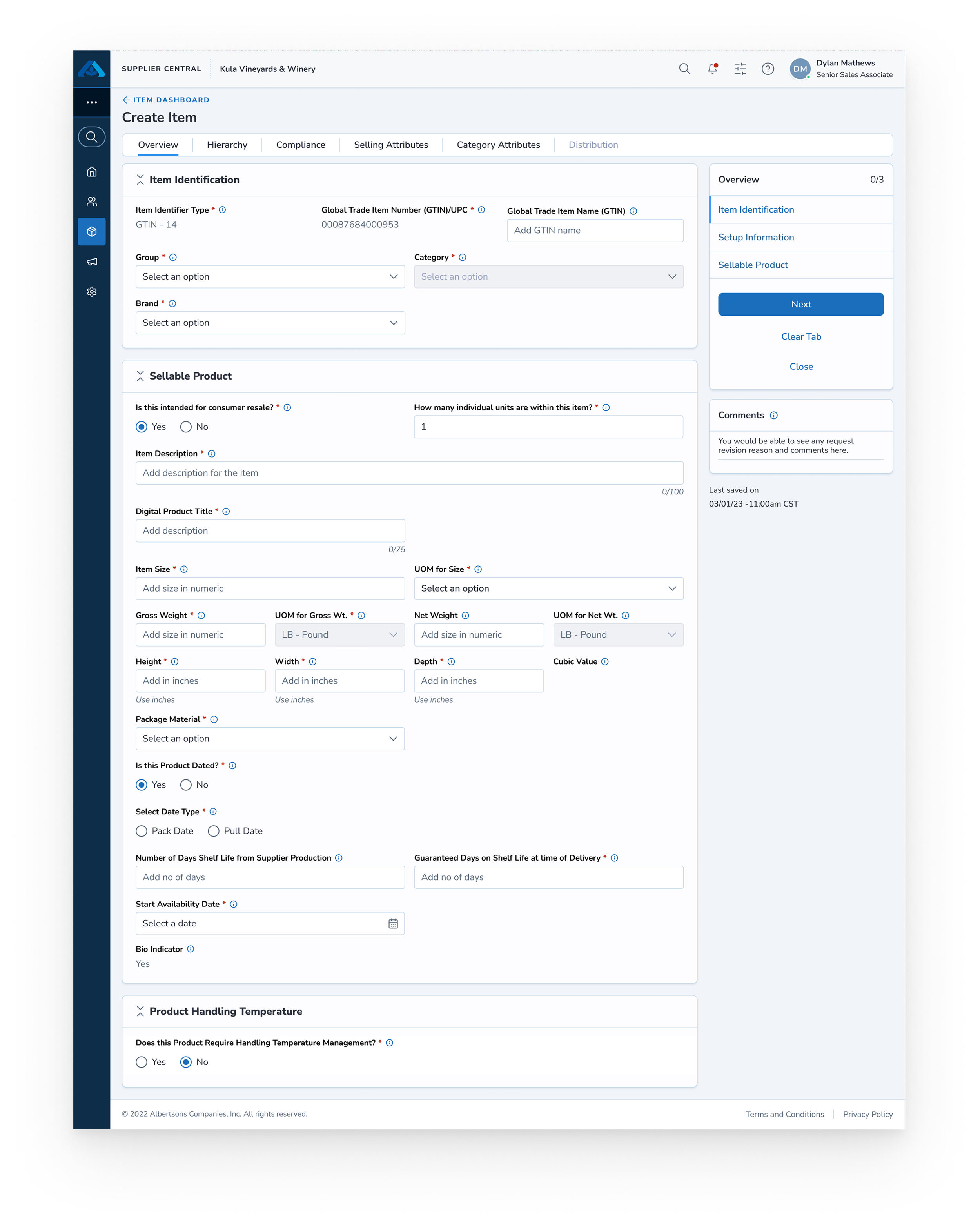
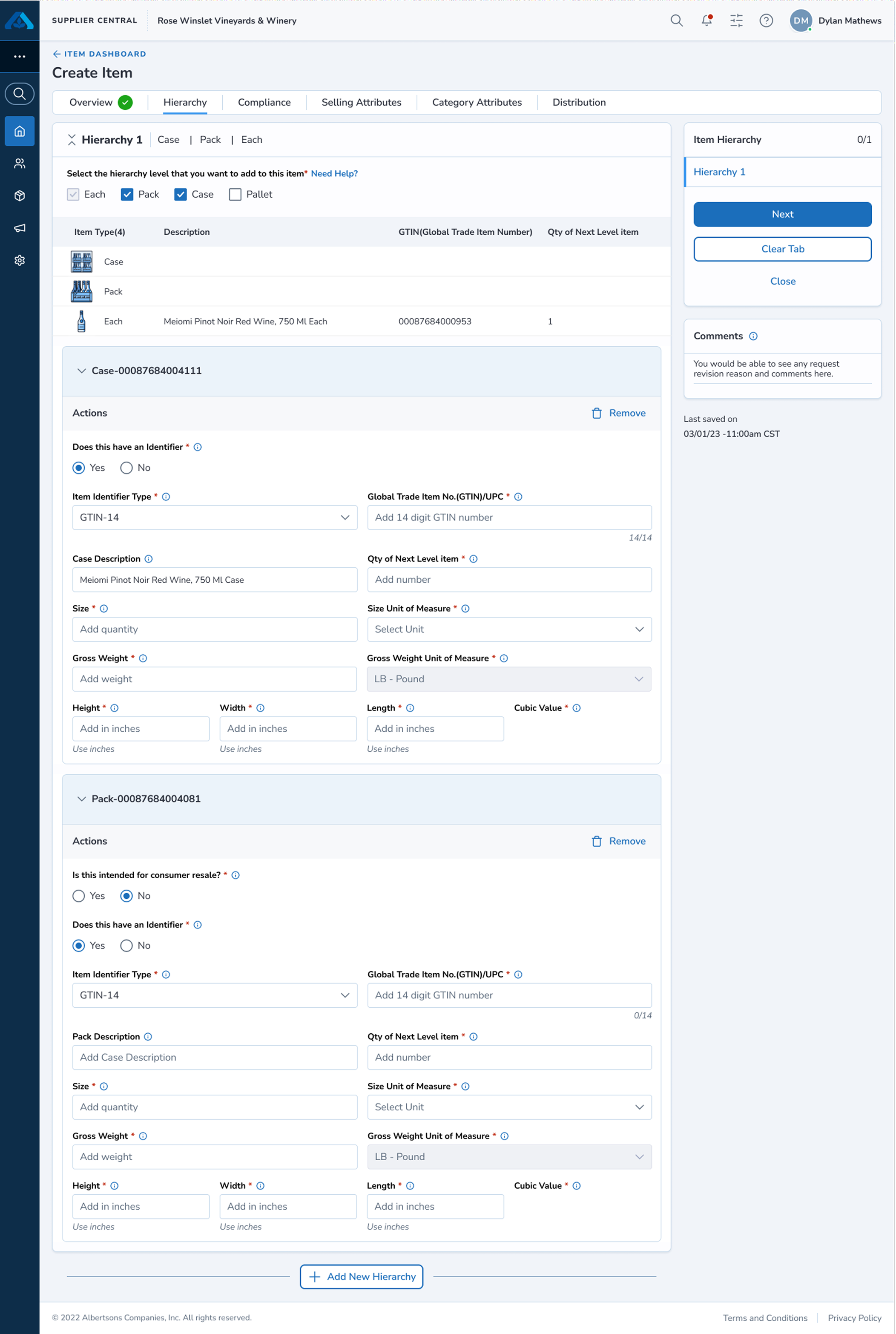
Six-Phase Item Creation Structure

Overview: Logistic specifications • Hierarchy: Pallet/Case/Pack structure • Compliance: Safety standards

Selling Attributes: Digital assets • Category: Item-specific data • Distribution: Warehouse/DSD channels

Design Execution

Strategic Solutions

Solutions Divider - Item Management
Solutions Slide - Item Management

Strategic improvements across the platform

Temperature Handling

Introduced Standalone Temperature Attribute

Problem: Deprioritized temperature handling caused 1-2 day delays in vendor-merchant communication

Impact: 94% vendor submission rate, improved supply chain visibility

Real-time Validation

Data Catalog Integration

Problem: 28.4% information mismatch due to edge case handling failures

Solution: 10 of 11 attributes validated in real-time with data science team support

Compliance Restructuring

Mitigated $2.5B Legal Risk

Problem: Step-by-step compliance created friction, unstructured attributes caused confusion

Result: Strengthened safety standards, draft previews improved accuracy

Asset Management

Streamlined Digital Asset Library

Solution: Table format via A/B testing, easily scalable for hierarchy structures

Impact Slide - Item Management

Measurable outcomes delivered

Quantifiable improvements across vendor engagement, merchant productivity, and operational efficiency while building scalable design systems.

$2.5B
Potential savings through compliance redesign
21 hrs
Weekly time saved per merchant
60%
Component library growth
80%
Albertsons SKUs covered
60%
More time-efficient setup
72%
Vendor acceptance rate

Design System Impact

Scaled UDS (Universal Design System) reducing design debt through reusable components. Partner and cost pods leveraged components due to development feasibility.

Process Efficiency

Merchant dashboard mirrored vendor interface, reducing learning curves by 27% and improving override efficiency by 14% through collaboration.

View Item Case study
View Next Project (RxToGo)
Footer Section